

A corporate roadshow in London can look simple on a calendar: a breakfast meeting in Mayfair, an investor presentation in the City, lunch near Canary Wharf and an evening reception in Knightsbridge. In practice, the day may involve security checks, changing passenger numbers, late-running meetings, road closures, luggage, confidential calls and several people making last-minute decisions. The transport plan therefore needs to be treated as part of the event operation, not as a collection of unrelated car journeys.
Using executive car hire London services for a roadshow gives organizers one coordinated transport plan, a suitable vehicle and a professional chauffeur who understands that the schedule may evolve. The greatest value is not merely the car. It is the continuity: one team following the itinerary, monitoring timing and helping the principal move between appointments without repeatedly arranging new transport.
Start with the purpose of the roadshow
Before requesting a quote, define what the day is intended to achieve. A board member visiting three offices has different requirements from a management team meeting investors, journalists or potential partners. The purpose affects the vehicle, the level of flexibility, the information the chauffeur needs and the amount of time that should be protected between stops.
Write down the number of passengers at each stage, the names and full addresses of every venue, the expected duration of each meeting, any fixed deadlines and the person authorised to change the plan. Mark the appointments that cannot move, such as a live broadcast, formal presentation or airport departure. Other stops can then be treated as flexible if traffic or meetings overrun.
A strong itinerary should also identify where passengers will enter and leave each building. Large hotels, conference centers and office developments may have several entrances. “Meet at the hotel” is not precise enough when a principal is moving quickly. Include the street, entrance, loading bay or reception point whenever possible.
Build realistic London travel buffers
Online journey estimates are useful, but they are not a roadshow schedule. They may not account for the time needed to leave a building, pass through security, locate the vehicle, load bags or wait for another passenger. Central London traffic can also change quickly because of works, demonstrations, major events and temporary restrictions.
Create two buffers for each leg. The first is an operational buffer for walking, security and boarding. The second is a traffic buffer for the road journey. An executive car service London UK provider can advise on routes, but the organizer should avoid building a day that succeeds only when every meeting ends exactly on time.
Where two appointments are close together, do not automatically assume that walking is the better option. The principal may need to take a private call, review papers, change a jacket, charge a device or avoid arriving in poor weather. A short chauffeur journey can function as a controlled transition between meetings, even when the distance is modest.
Decide between one vehicle and a coordinated fleet
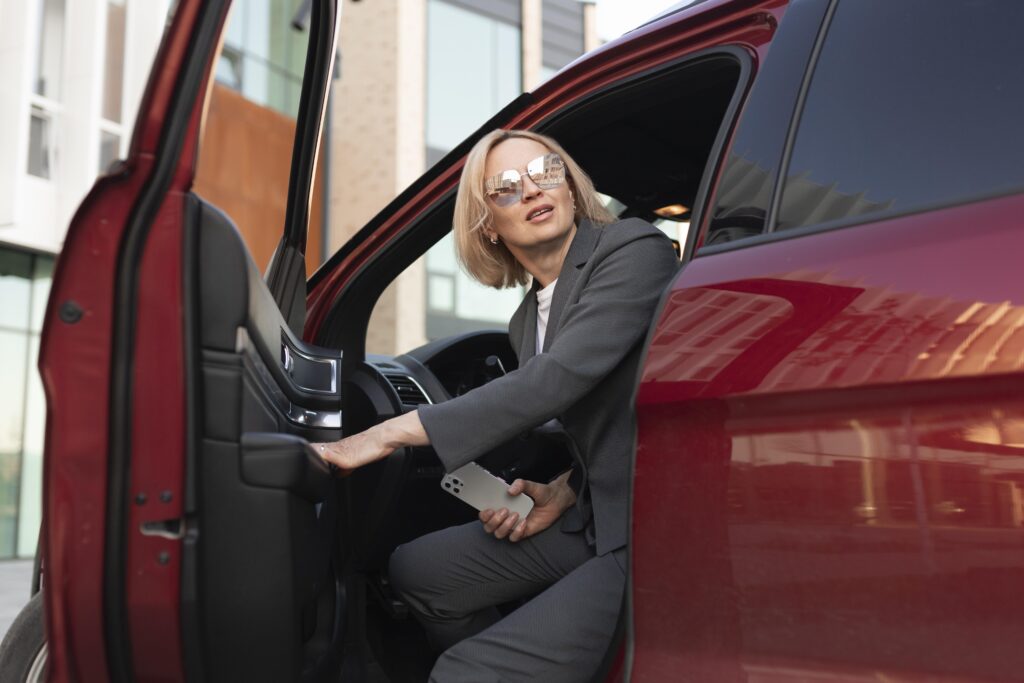
A single executive saloon can work well for one or two principals travelling together. It provides continuity and keeps personal items in one place. A Mercedes S-Class is often appropriate for a senior executive who needs privacy and rear-seat comfort. An E-Class may suit a more cost-conscious business schedule, while a V-Class can be more practical for a small team, several suitcases or presentation equipment.
Larger roadshows may need two or more vehicles. One car can carry the principal while another moves colleagues, advisers or luggage. The important point is coordination. Separate bookings made by different assistants can lead to inconsistent pickup instructions and duplicated journeys. A single London chauffeur service should receive the complete itinerary and know how the vehicles relate to one another.
When choosing a vehicle, consider usable luggage space rather than passenger seats alone. Four people with cabin bags, coats and presentation materials may be more comfortable in a spacious MPV than in a saloon. Ask the operator to confirm that the proposed vehicle can accommodate the actual combination of passengers and baggage.
Create one master transport brief
The master brief is the document that keeps the roadshow organised. It should be short enough to use quickly but detailed enough to prevent avoidable calls. Include:
- the date and working title of the roadshow;
- passenger names and mobile numbers;
- the lead organiser and a backup contact;
- every pickup and destination with postcode;
- venue contact names and entrance instructions;
- planned arrival and departure times;
- luggage, accessibility or child-seat requirements;
- the vehicle requested and number of passengers;
- confidentiality or name-board instructions;
- airport, train or flight details where relevant;
- billing reference, purchase order or cost centre.
Send changes through one authorised contact. When several people message the chauffeur independently, the latest instruction may not be obvious. A clear communication chain protects the schedule and reduces distraction for the passenger.
Protect privacy and confidential conversations
Corporate roadshows often involve unpublished results, investment decisions, personnel matters or commercially sensitive negotiations. The transport environment should support discretion. Passengers should know who will receive the itinerary and how changes will be communicated. Avoid placing confidential meeting descriptions in a name board or message that could be seen by others.
The vehicle choice also matters. A quiet rear cabin gives passengers the option to prepare or hold a call between stops, but organisers should never assume that every conversation is appropriate in transit. Use neutral itinerary labels and tell the operator when a booking involves a high-profile guest or requires a low-profile arrival.
For particularly sensitive journeys, discuss security needs directly rather than using vague phrases such as “VIP service”. A reputable executive car chauffeur UK provider should be able to explain the difference between a professional chauffeur, a security-trained driver and a close-protection arrangement. These are not interchangeable services.
Plan the first and last mile carefully
The first pickup sets the tone for the entire day. Confirm whether the passenger will be ready at a residence, hotel lobby, private terminal or airport arrivals hall. For airport arrivals, provide the flight number and passenger mobile number. Decide whether meet and greet is required and what name, if any, should appear on the board.
The final leg deserves equal attention. A roadshow that finishes with an airport transfer must protect the flight rather than simply follow the meeting calendar. Work backwards from the airline’s check-in or bag-drop requirement, then add terminal access, traffic and contingency time. If the passenger is leaving from a private aviation terminal or continuing outside London, include the precise destination and any access instructions.
Ray Executive Cars states that it provides airport transfers, meet and greet, long-distance travel and 24/7 executive services. Bringing these parts under one booking can reduce handovers when a roadshow begins or ends at an airport.
Manage changes without losing control

Roadshows rarely run exactly to plan. A meeting may finish early, a presentation may overrun or a guest may join at short notice. Flexibility is valuable, but uncontrolled change creates risk. The organiser should decide in advance who may approve extra waiting time, an additional stop or a vehicle upgrade.
Keep a live version of the itinerary and time-stamp major changes. If the day includes several vehicles, notify the operator’s control contact rather than relying only on individual chauffeur messages. This allows the wider plan to be updated and gives the company a chance to adjust positioning.
It is also wise to identify one optional stop that can be removed if the schedule slips. Protect the highest-value meetings and the final departure. A realistic plan accepts that not every informal stop is equally important.
Use the journey time productively
The best roadshow transport creates usable time. Before the day, ask the passenger how they prefer the vehicle to be prepared. They may want a quiet cabin, charging access, bottled water, a particular temperature or extra space for documents. These details are small, but they prevent repeated adjustments during a demanding schedule.
Provide the chauffeur with the necessary information, not the passenger’s entire diary. A concise brief supports service without sharing more personal or commercial information than required. If assistants or colleagues will join for only part of the day, state clearly where each person enters and leaves.
Review cost by operational value, not only by mileage
The lowest point-to-point price is not always the most economical solution for a multi-stop day. Repeatedly booking separate cars can create waiting, cancellation and coordination costs. Hourly or full-day London executive car hire may provide better value when the itinerary is fluid, the passenger needs the vehicle between meetings or personal items must remain secure.
Ask for a written quotation that explains the charging basis, included waiting time, parking, additional hours and cancellation terms. Compare like with like. A quotation that includes dedicated coordination and realistic standby time may be more useful than a cheaper figure that assumes immediate pickups and fixed destinations.
Final roadshow checklist
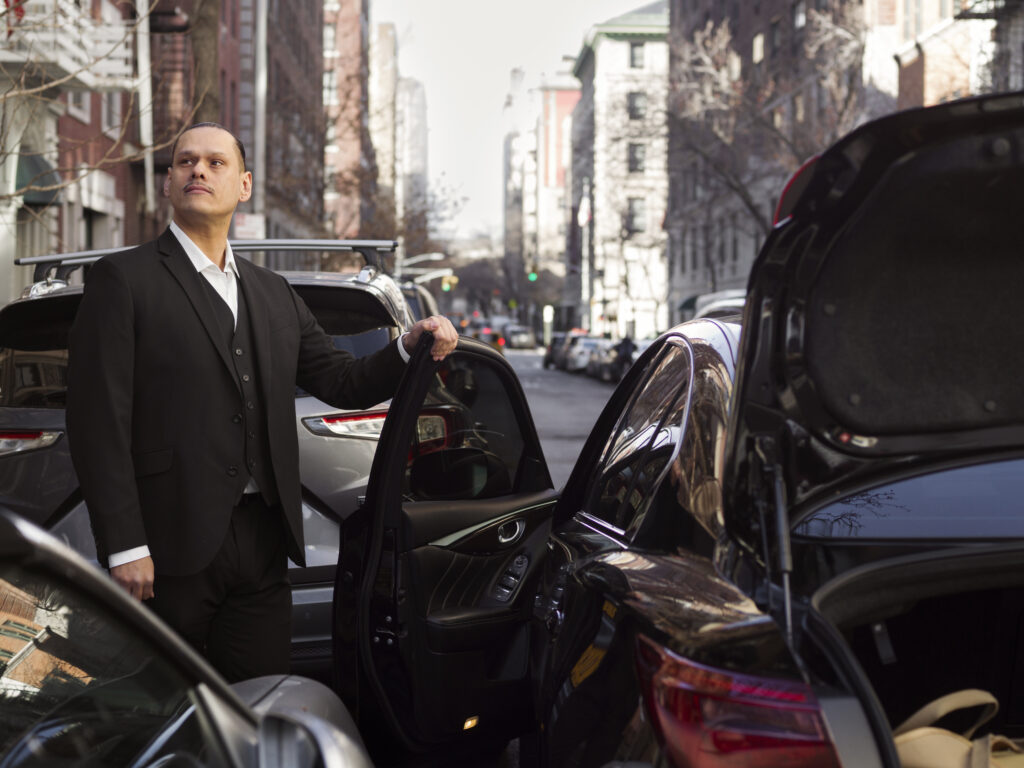
Forty-eight hours before the first pickup, reconfirm the itinerary, passenger count, luggage and vehicle. On the evening before travel, check for major events or road closures and distribute one final version of the schedule. On the day, keep the principal’s assistant, operator and venue contacts reachable.
A successful roadshow should feel calm to the passenger even when the planning behind it is detailed. That is the central benefit of professional executive car hire in London: the travel becomes a managed part of the business program, giving executives more time to prepare, communicate and focus on the purpose of each meeting.
Arrange a coordinated London roadshow
For a multi-stop business day, share the full itinerary with Ray Executive Cars and request a vehicle and booking structure suited to the schedule. A precise brief allows the team to quote accurately and plan the journey around the meetings that matter most.